Publications · 20 Oct 2026 · 8 min read · Child protection / child & adolescent mental health · By Samuel Chukwuemeka Okafor, Executive Director, Oasis of Love International Center for Women and Children
Bullying rarely begins with a child saying, plainly, "Someone is hurting me at school." More often it begins quietly — a school bag that keeps "getting lost," a sudden dislike for a favourite class, tears on Sunday night, or a child who was once chatty becoming withdrawn on the ride home from school in Lagos, Ibadan, Abuja, or anywhere else families are raising children with love and hope.
Bullying is repeated hurtful behaviour where there is an imbalance of power. It can be physical — hitting, pushing, taking belongings; verbal — name-calling, threats, mocking a child's appearance, family, faith, or accent; social — excluding a child or spreading rumours; or online, through messages that follow a child home after the school gate has closed.
Knowing the signs early, responding with calm support at home, and partnering well with school can stop bullying from becoming a long shadow over a child's learning and mental health.
Signs a child may be being bullied
No single sign proves bullying, but a pattern deserves gentle attention.
Watch for changes in mood and behaviour: anxiety before school, clinginess in a younger child, irritability or tearfulness in an older one, or a loss of interest in friends and activities they once enjoyed. Sleep may change — trouble falling asleep, nightmares, or wanting to sleep much more. Appetite may fall, and headaches or stomach aches with no clear medical cause are common, especially on school mornings.
Look also for practical clues: torn uniforms, missing books, or unexplained bruises; a child needing extra lunch money because theirs is taken, avoiding the school bus, or asking to be dropped at a different gate.
Academically, grades may slip not because a child is lazy, but because fear takes up the space learning needs. A child who feels unsafe spends the day watching for danger, not listening to the teacher.
For teenagers, watch their phone habits too. Becoming secretive, distressed after checking messages, deleting accounts suddenly, or withdrawing from family conversation can be signs of online bullying.
Trust your knowledge of your child. If something feels different and stays different for days, it is worth asking — kindly and without panic.
How to open the conversation
Children often stay silent because they fear being blamed, fear retaliation, or worry that adults will make it worse. Your first response sets the tone for everything that follows.
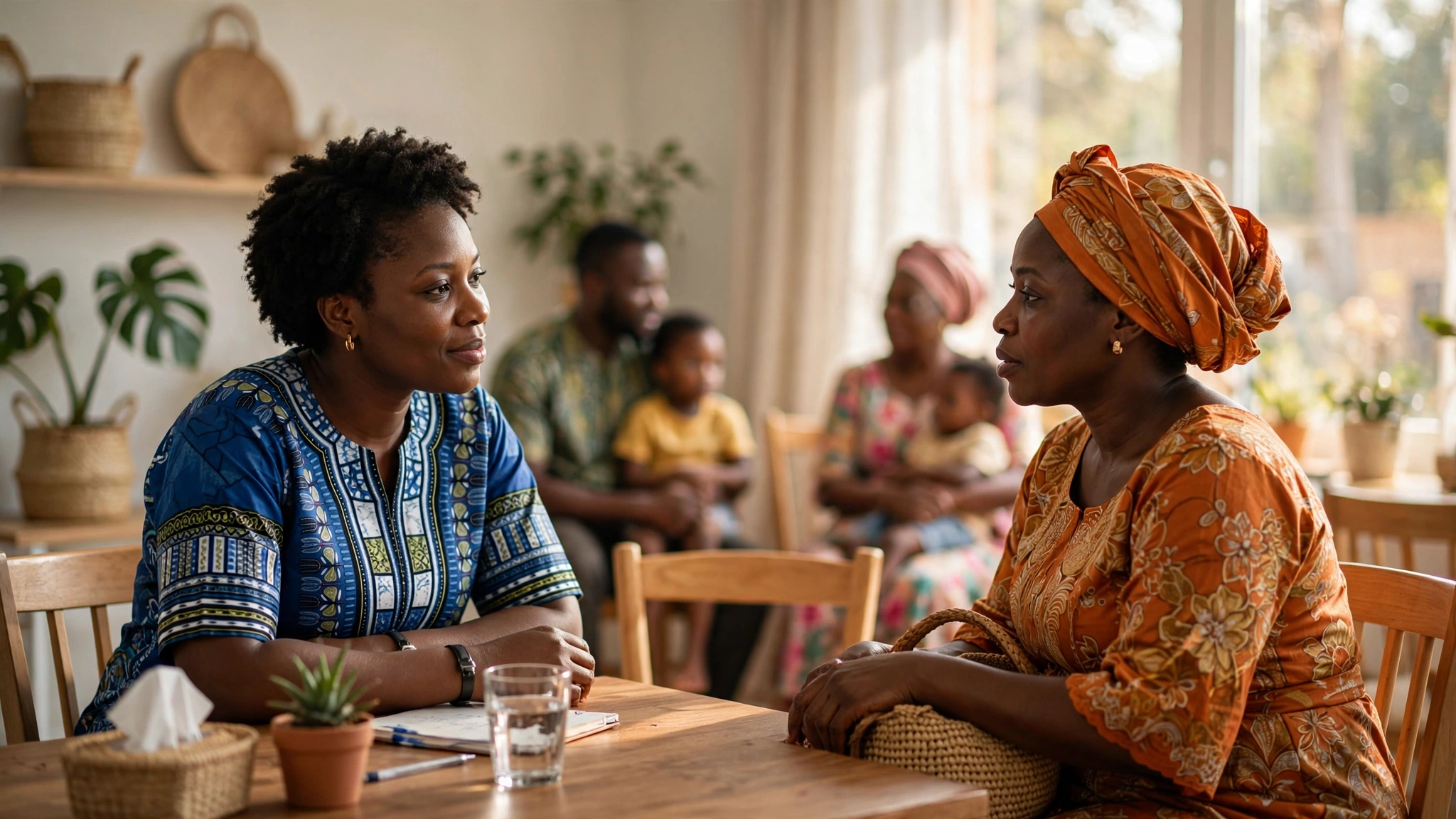
Choose a calm, private moment — not when rushing for school. Side-by-side moments often work best: walking, cooking, or driving together, when eye contact feels less intense.
Start with what you have noticed, not an accusation. "I have noticed you seem quiet after school this week, and you did not want to go this morning. I care about you. Can you tell me what school has been like?" Then listen more than you speak.
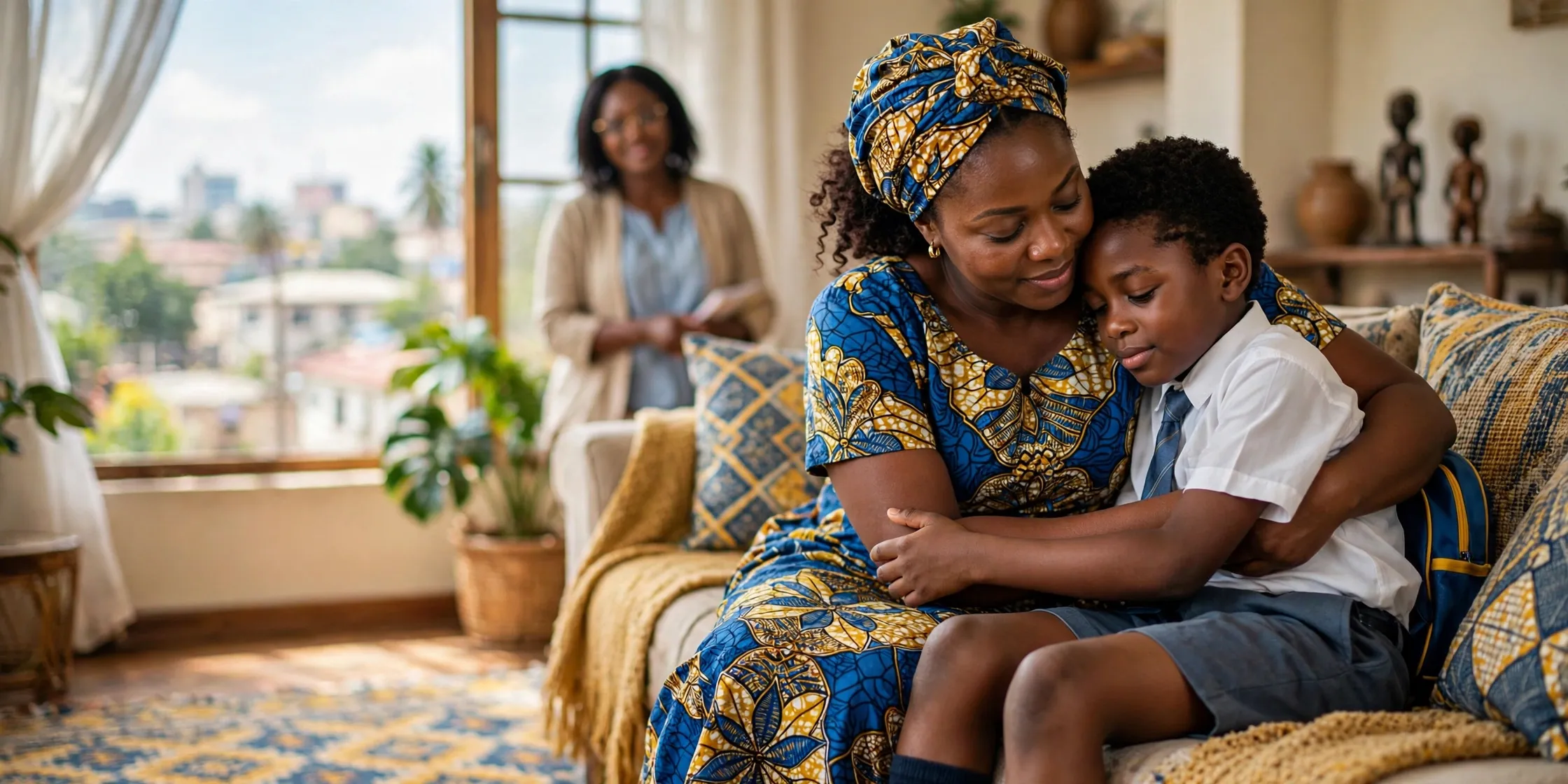
Believe your child. Thank them for telling you. Say clearly: "It is not your fault. No child deserves to be bullied. We will work through this together." Avoid rushing to "just ignore them," "hit them back," or "why didn't you tell me sooner?" — those responses, even when well meant, can close the conversation.
Ask what has happened, how often, where, and who is involved, and write down dates and details while they are fresh. If there are messages or photos online, keep screenshots. Do not delete the evidence in an effort to protect your child from seeing it again; the school may need it.
Reassure them about what will happen next. Agree together on the next step where you can, especially with older children, so they do not feel powerless all over again.
Practical support you can give at home
First, restore safety and routine. Regular sleep, meals, play, and family time help a stressed nervous system settle. Keep mornings predictable, and let home remain a place where your child is not defined by what is happening at school.
Second, rebuild confidence steadily. Notice effort and kindness, not only results. Encourage activities where your child feels competent and accepted — sports, music, youth groups, coding, or art. One good friendship can be a powerful protection.
Third, practise responses together. Role-play short, calm phrases: "Stop. I don't like that." "Leave me alone," said firmly, then walking towards a trusted adult. Practise seeking help as strength, not weakness. For online bullying, teach your child not to reply, to block and report, and to tell an adult — and agree as a family on healthy phone boundaries, including no phones overnight for younger teens.
Fourth, watch and review. Check in daily at first with a simple, "How was today, from one to ten? What made it that number?" If anxiety, low mood, appetite or sleep problems persist, or your child talks about harming themselves, seek professional help promptly. You do not have to wait until things become severe to ask for support.
Finally, care for yourself too. Parents often feel anger, guilt, and helplessness when a child is bullied. Talk to a trusted friend, counsellor, or faith leader. A calmer parent is better able to advocate clearly and consistently.
Partnering with the school — firmly and respectfully
Most schools in Nigeria want children safe, and a respectful partnership gets further than a confrontation at the gate.
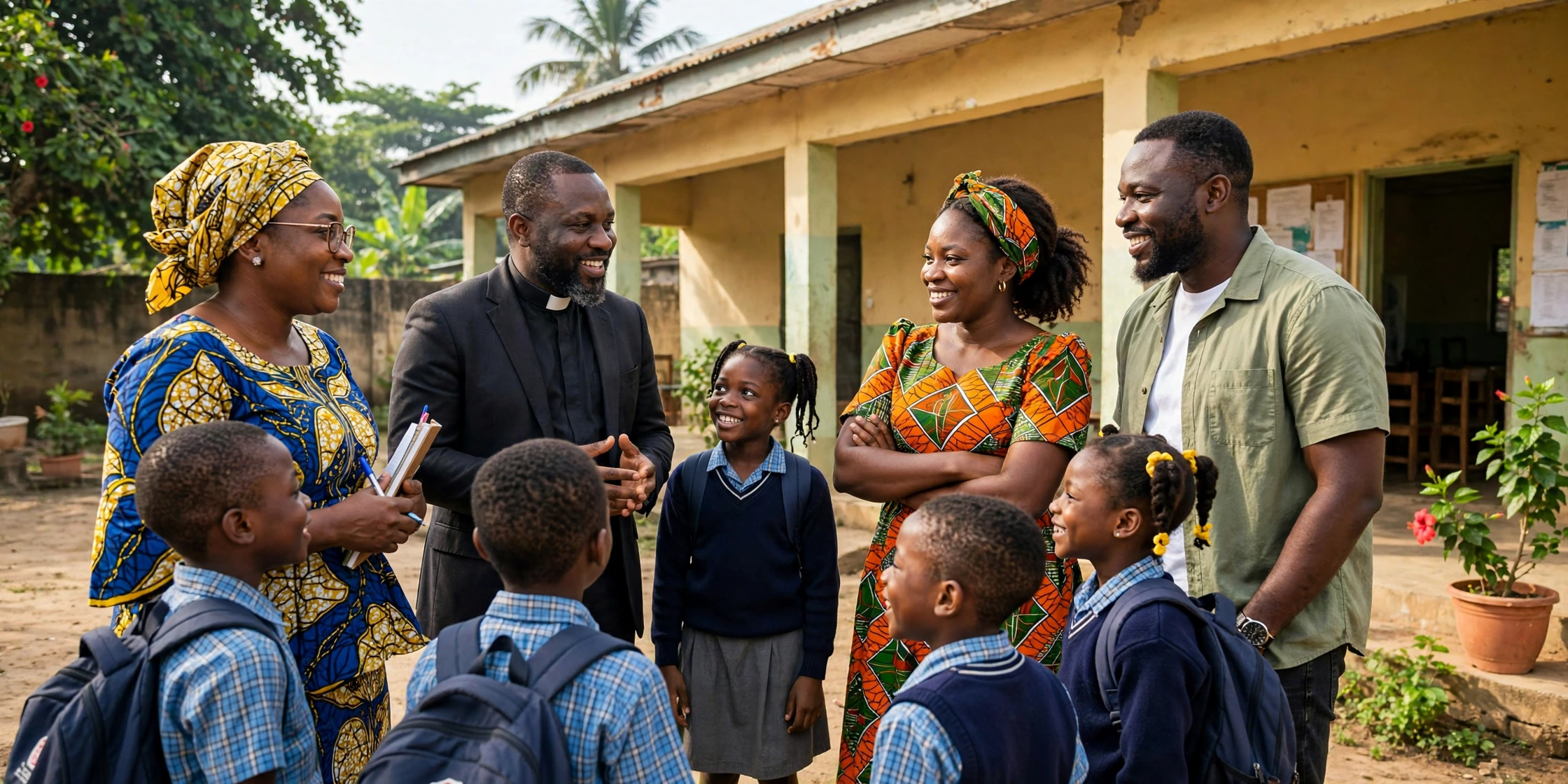
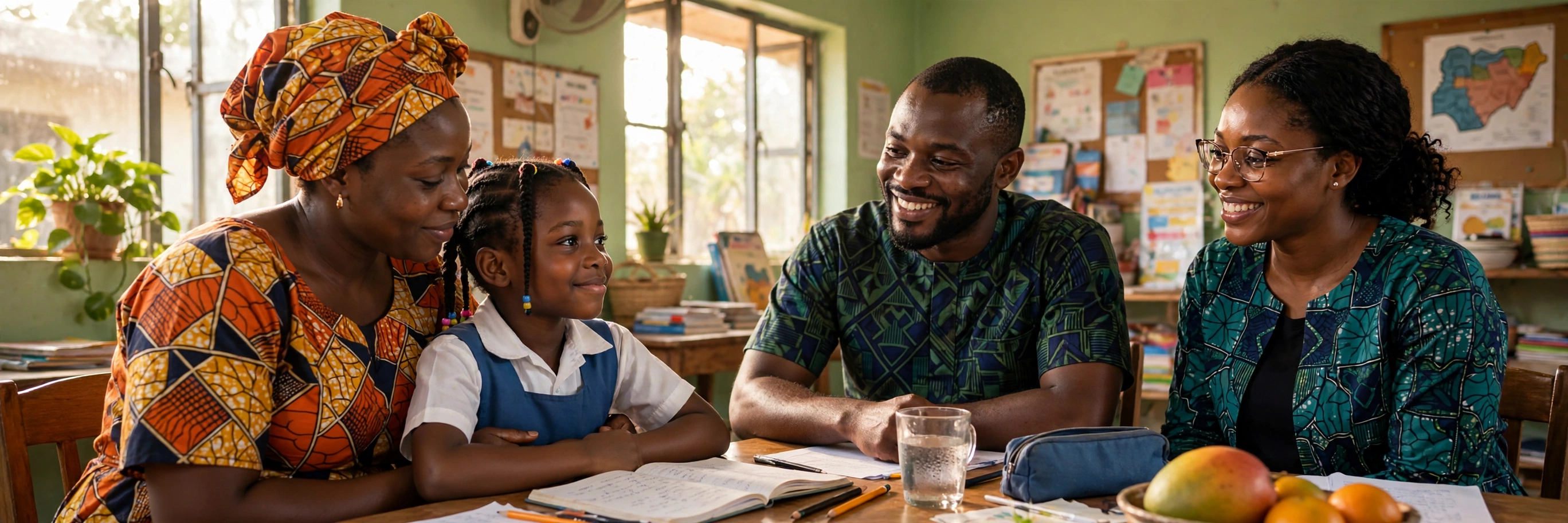
Request a meeting with the class teacher first, and if needed, the head teacher or school counsellor. Bring your notes: what happened, when, where, and how it is affecting your child. Describe impact, not only incidents: "Since this began, she cries before school and her results have dropped."
Ask what the school's anti-bullying policy says, what steps they will take, who will monitor the situation, and when you will review it together. Agree on a named contact person and a review date — two weeks is reasonable — rather than leaving it open-ended. Ask also how your child will be protected during breaks, on the way between classes, and online if school groups are involved.
Keep communication written where possible. A short follow-up after a meeting creates clarity for everyone.
If the bullying continues, escalate calmly in writing to school management, and where a school has one, its safeguarding lead. If a child is in immediate danger, or there has been a serious assault, involve the appropriate authorities. Safety always comes before politeness.
Teach children, too, to be upstanders, not bystanders, when it is safe: support the child being targeted, do not join in or share humiliating content, and tell a trusted adult. A school culture where most children choose kindness makes bullying harder to sustain.
A word of hope
Being bullied does not define a child's future. With early recognition, steady love at home, and a school that acts, most children recover their confidence and joy in learning. What they remember most is not only that the bullying stopped, but that the adults around them listened, believed them, and stood with them.
If you are worried about your child, you do not have to carry it alone. Oasis of Love International Center offers a free mental health assessment and counselling for children, adolescents, and families. Write to us at oasisofloveint@gmail.com — we will listen, and we will help you take the next step.
🎙 Listen to our daily podcast, Children's Mental Health with Sam, free on Spotify: https://open.spotify.com/show/7Ld60747GwmnlKpVsyXSYj
𝐅𝐎𝐋𝐋𝐎𝐖 𝐎𝐚𝐬𝐢𝐬 𝐋𝐨𝐯𝐞 𝐂𝐞𝐧𝐭𝐞𝐫 𝐨𝐧 𝐅𝐚𝐜𝐞𝐛𝐨𝐨𝐤 𝐚𝐧𝐝 @𝐨𝐥𝐢𝐜𝐧𝐢𝐠𝐞𝐫𝐢𝐚 𝐨𝐧 𝐈𝐧𝐬𝐭𝐚𝐠𝐫𝐚𝐦, 𝐚𝐧𝐝 𝐅𝐎𝐋𝐋𝐎𝐖 𝐭𝐡𝐞 𝐩𝐨𝐝𝐜𝐚𝐬𝐭 '𝐂𝐡𝐢𝐥𝐝𝐫𝐞𝐧'𝐬 𝐌𝐞𝐧𝐭𝐚𝐥 𝐇𝐞𝐚𝐥𝐭𝐡 𝐰𝐢𝐭𝐡 𝐒𝐚𝐦' 𝐨𝐧 𝐒𝐩𝐨𝐭𝐢𝐟𝐲 — 𝐅𝐎𝐋𝐋𝐎𝐖 𝐧𝐨𝐰 𝐬𝐨 𝐲𝐨𝐮 𝐧𝐞𝐯𝐞𝐫 𝐦𝐢𝐬𝐬 𝐚 𝐩𝐨𝐬𝐭, 𝐚𝐧𝐝 𝐭𝐚𝐠 𝐚 𝐟𝐫𝐢𝐞𝐧𝐝 𝐰𝐡𝐨 𝐧𝐞𝐞𝐝𝐬 𝐭𝐡𝐢𝐬 👇